
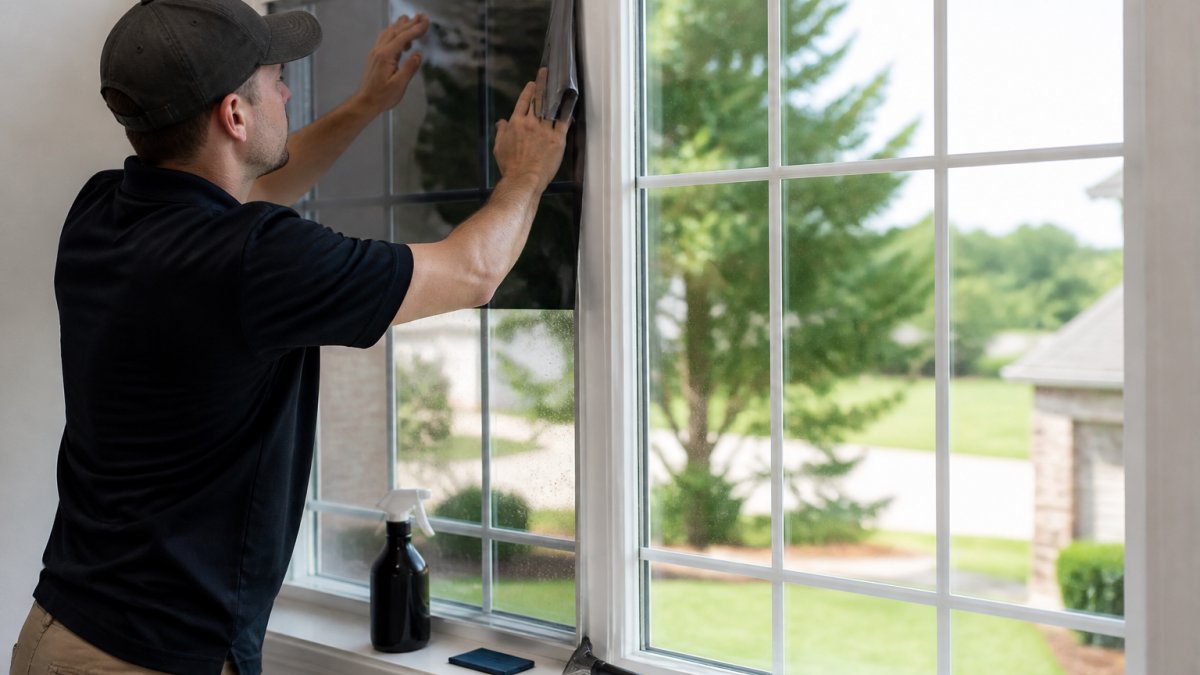
Table of Contents
- The Short Answer: It Depends on Your Warranty Terms
- How to Check Window Warranty Coverage Before Installing Film
- Window Film on Double-Pane Windows: Special Considerations
- Does Window Tint Damage Windows? What the Data Shows
- Manufacturer Window Warranty Exclusions That Apply to Film
- What to Do If Your Warranty Claim Is Denied
- Protecting Your Coverage: Documentation and Best Practices
- Frequently Asked Questions
Last Updated: October 16, 2026
The Short Answer: It Depends on Your Warranty Terms
Whether does window film void home window warranties depends entirely on what your warranty actually says. Some manufacturers explicitly prohibit aftermarket film. Others allow it under specific conditions. A few don’t address it at all.
Most homeowners never check their warranty documents before installing film, yet you can’t know if you’re protected until you read the fine print.
At Coastal Glass Tinting, we help homeowners protect their windows while keeping warranties intact.
Four things decide whether you stay covered: your warranty terms, your window type, the film specifications, and how the film is installed.
How to Check Window Warranty Coverage Before Installing Film
Most homeowners lose warranty protection not because film is prohibited, but because they never verified the terms before installation. Work through these four stages in order and keep a dated record of each step.
Stage 1: Identify exactly what you own.
Before you can read a warranty, you need the window model. Check the glass for an etched label or sticker in the upper corner of the sash listing the manufacturer, model series, glass type, and date code. If it’s gone, look for the original installation invoice, builder’s spec sheet, or closing packet.
Stage 2: Locate the warranty and its exclusions.
Warranties usually arrive as a paper booklet in the closing folder, a PDF on the manufacturer’s website keyed to your model series, or a registration confirmation email.
Stage 3: Decode the clause type.
Warranty language falls into four patterns, and each means something different for your project:
- Full-void language: “Any aftermarket product applied to the glass voids this warranty.” This is the strictest form. Film of any kind ends coverage for the glass unit, regardless of whether the film caused the problem.
- Damage-only exclusion: “This warranty does not cover damage caused by aftermarket films or coatings.” Here the warranty survives; only film-attributable damage is excluded. A manufacturing defect unrelated to the film may still be covered.
- Conditional approval: “Film is permitted if it meets the manufacturer’s thermal specifications and is installed by a qualified professional.” Coverage remains if you can document compliance.
- Silence: The warranty never mentions film. Silence is not permission, manufacturers can still attribute a seal or glass failure to an unapproved modification. Treat silence as a signal to get written confirmation.
Highlight the exclusion clause and photograph it. If a claim is later denied, you want the exact language you relied on, not a paraphrase from memory.
Stage 4: Get written confirmation.
Call the manufacturer’s warranty line with your model number and the film’s spec sheet. Ask: (1) Does this warranty permit aftermarket film on this glass? (2) What thermal or optical limits apply? (3) Is there an approved-product or approved-installer list? (4) Will you confirm in writing?
What to keep in your warranty file.
Build one folder, physical or digital, with the original warranty, glass label photo, manufacturer’s written response, film spec sheet (SHGC and VLT), installer’s invoice and workmanship warranty, and dated before-and-after photos of each window. This turns a disputed claim from your word against the manufacturer’s into a documented record.
A note on legal rights versus warranty terms.
A manufacturer’s written warranty is a contract term; consumer-protection rights are separate and vary by state. The Magnuson-Moss Warranty Act governs how written warranties must be disclosed and limits certain tying arrangements, but it does not override an explicit exclusion of aftermarket modifications.
Window Film on Double-Pane Windows: Special Considerations
Double-pane windows, insulated glass units, or IGUs, are where film decisions get technically interesting. An IGU is two panes separated by a sealed spacer and filled with air or argon. The edge seal is the weakest component, and film changes the heat profile it was designed around.
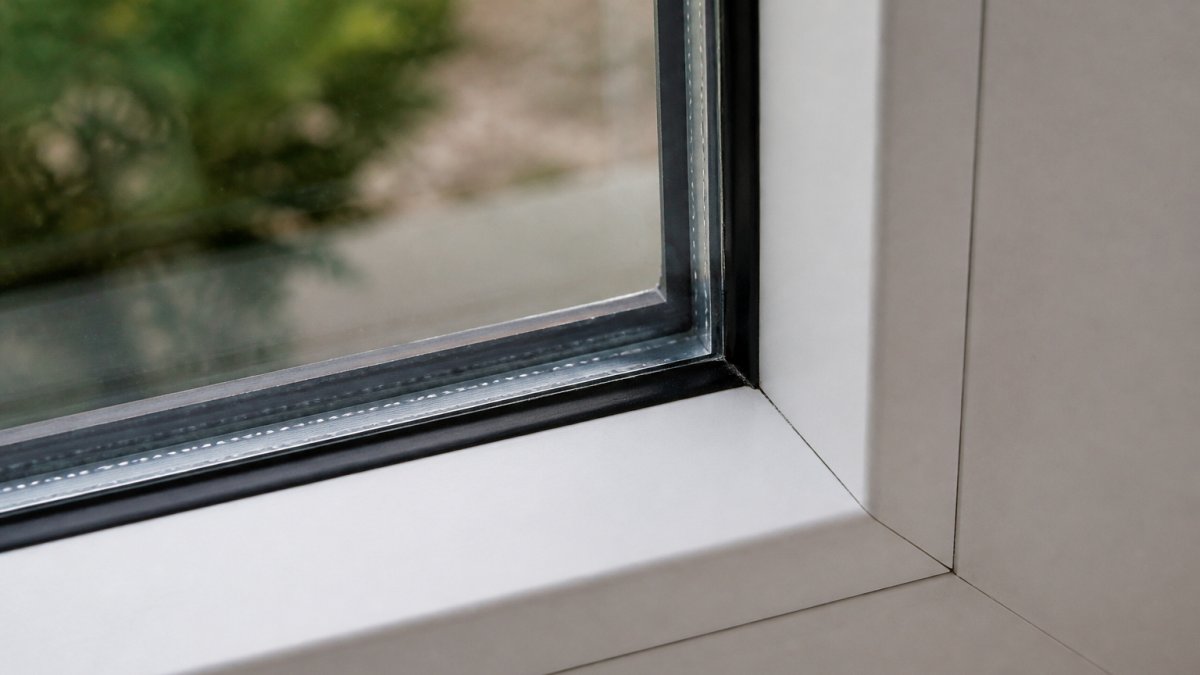
The mechanism: why film stresses an IGU.
Solar film absorbs or reflects the sun’s energy at the glass surface. On an unfilmed IGU, heat spreads across both panes and the sealed cavity; with film, the filmed pane runs hotter while the interior pane stays cooler.
Glass compatibility by window construction.
Use this matrix as a starting point, then confirm against your specific warranty:
| Construction | Film sensitivity | Primary risk | What to verify |
|---|---|---|---|
| Single-pane | Low | Thermal stress fracture on dark film | Glass thickness and tempering |
| Dual-pane, air-filled | Moderate to high | Edge-seal fatigue and cavity fogging | Seal type and warranty exclusion language |
| Dual-pane, argon-filled | High | Seal failure plus gas loss | Manufacturer approval for film |
| Low-E coated | High | Disruption of the coating’s heat balance; coating damage | Whether film is permitted on coated surfaces at all |
| Tempered | Moderate | Uneven heating and spontaneous breakage | Whether the pane is fully filmed |
| Laminated | Lower | Interlayer stress, edge delamination | Film type and edge clearance |
Reading the matrix in practice.
Single-pane windows tolerate film best because there’s no sealed cavity to protect, though dark film on thin glass can still cause thermal fracture. Dual-pane units are the sensitive category: the seal does structural work, and film raises the temperature it must withstand.
Film characteristics that change the risk.
Darker films, roughly 35% visible light transmittance or lower, absorb more heat and raise seal stress more than light films at 70% VLT or above. Reflective films concentrate heat differently than absorptive films and are more likely to be restricted.
Partial coverage, filming one sash or half a pane, creates the sharpest temperature gradient and the highest stress on the filmed area. If you film, film the entire pane.
Seal lift and edge damage.
Seal lift is a visible gap where the edge seal separates from the glass, usually near the filmed edge; once lifted, moisture enters and the unit is compromised. Edge damage happens when film edges aren’t sealed or cleared properly, letting water under the adhesive.
Does Window Tint Damage Windows? What the Data Shows
Window film doesn’t inherently damage glass, but the wrong film type, poor installation, or incompatible window construction create real risks.
Glass Breakage and Heat Absorption
Tempered glass can break if heated unevenly, and film creates uneven heating by blocking sun in some areas while allowing it through in others.
Laminated glass handles film better than tempered glass because the plastic interlayer absorbs stress.
The risk increases with:
- Darker films on older windows
- Film applied to only part of the window (half-tinted windows create the worst stress)
- Windows already exposed to high solar load
- Poor installation with gaps or bubbles
Professional installation minimizes these risks through even heat distribution and secure film edges.
Seal Lift and Edge Damage
Seal lift happens when heat builds up under the film and separates the edge seal from the glass, leaving a visible gap.
Once the seal lifts, moisture enters, the window is damaged, and your warranty claim will likely be denied because the film caused it.
Edge damage occurs when film edges aren’t sealed properly. Water gets under the film, and the adhesive fails.
Professional installation prevents seal lift by using the correct film type for your window, leaving proper clearance at edges, applying film evenly across the entire pane, and following manufacturer specifications exactly.
Manufacturer Window Warranty Exclusions That Apply to Film
Most window warranties exclude damage caused by aftermarket products. Read these sections carefully.
Approved Film vs. Aftermarket Products
“Approved film” means the manufacturer tested it and confirmed it won’t damage the window, meeting specific thermal and optical standards.
“Aftermarket products” means anything not made by the window manufacturer, which covers most film.
If your warranty says “approved products only,” get written approval for your specific film choice; generic approval (like “any film meeting ASTM standards”) may not be enough.
Some manufacturers sell their own film, using theirs keeps coverage clearer, while another brand is a risk.
Installation Method and Professional Standards
Your warranty may require certified professional installation; DIY or uncertified shops can void coverage.
Check whether your warranty specifies installation standards, some require the original window company, others accept any professional installer.
Professional installers follow manufacturer guidelines, use proper tools, and document their work. That documentation matters if a claim is denied.
What to Do If Your Warranty Claim Is Denied
A denial doesn’t mean you have no options. Many denials can be challenged.
Get the denial in writing. The manufacturer must explain specifically why coverage was denied. “Film damage” isn’t specific enough. They should state exactly which warranty clause excludes the damage.
Review your warranty again: does the denial match the actual language? Manufacturers sometimes deny claims incorrectly.
If the denial blames the film, ask for proof. Thermal stress damage has specific characteristics, and a qualified inspector can determine whether film actually caused the failure.
Document everything, original warranty, any approval received, installation photos, and the denial letter, because this evidence matters if you dispute the denial.
If you believe the manufacturer acted in bad faith, consider a complaint to your state’s Attorney General; many states have consumer protection laws covering warranty disputes.
Protecting Your Coverage: Documentation and Best Practices
Before installing film, take these steps to protect yourself.
Get written approval from the manufacturer. Email is fine, keep it with your warranty.
Choose film that meets thermal standards. Ask your installer about solar heat gain coefficient (SHGC) and visible light transmittance (VLT). Lower-quality film creates more heat stress.
Use a professional installer. Use a professional installer. Professional installers follow manufacturer guidelines and document every installation, your best defense if a problem occurs.
Keep installation documentation. Your installer should provide a workmanship warranty, installation photos, and a record of the film used, keep these with your window warranty.
Photograph your windows before installation. If a seal fails later, you’ll have proof the window was intact before filming.
Understand your window type. Double-pane windows with dual seals are more sensitive than single-pane windows. Low-E glass requires special consideration. Know what you have.
Avoid partial coverage. Film the entire pane if you film any part of it. Half-tinted windows create the worst thermal stress.
Does window film void home window warranties? The answer depends on your specific warranty terms, your window construction, and how the film is installed. The only way to know for certain is to check your warranty documentation and contact your manufacturer before installation. At Coastal Glass Tinting, we help homeowners navigate these questions. When you’re ready to explore window film options with confidence, get a free quote.
Frequently Asked Questions
What voids a window warranty when film is installed?
Most manufacturers void coverage only if the film causes direct damage, glass breakage, seal failure, or thermal stress, or if you used unapproved film or improper installation. Simply applying film does not automatically void the warranty. However, if the manufacturer explicitly prohibits aftermarket products in the warranty terms, any damage claim may be denied regardless of cause. Always review your warranty documentation and contact the manufacturer before installation to confirm coverage.
How do I check my window warranty coverage before applying film?
Locate your original warranty documentation and search for exclusions related to aftermarket products, film, or tinting. Look for language about approved vs. unapproved modifications. Contact the window manufacturer directly with your window model and serial number, and ask in writing whether residential window film is compatible with your warranty. Request written confirmation of approval. Keep this correspondence with your warranty documents as evidence if you ever need to file a claim.
Can window film cause problems with double-pane windows?
Yes, film can increase thermal stress on insulated glass units. Dark or reflective film absorbs solar heat, raising glass temperature and creating stress between the two panes. This can accelerate seal failure, leading to condensation between the panes and potential glass cracking. Low-E glass and certain window constructions are more vulnerable. Professional installation and compatible film specifications reduce risk significantly, but dual-pane windows require extra care and manufacturer approval before film application.
What should I do if my warranty claim is denied after installing film?
Request a detailed denial letter explaining the specific reason. If denial cites film as the cause but you have written manufacturer approval or evidence the film did not cause the damage, submit a formal appeal with documentation. Review the Magnuson-Moss Warranty Act, which may limit a manufacturer’s ability to void coverage without proving the film directly caused the failure. If the manufacturer cannot prove causation, you may have grounds to challenge the denial. Consider consulting a consumer protection attorney if the claim value is significant.