
Last Updated: November 6, 2026
Quick Summary
Home window tinting in Wilmington delivers seven benefits: heat reduction and lower cooling bills, UV protection for skin and furnishings, glare reduction, daytime privacy, glass protection and security, fading prevention for wood and art, and year-round comfort. Film blocks heat, ultraviolet light and glare while still letting daylight through, and works on single-pane and double-pane windows without replacing the glass.
- Solar heat gain coefficient, not the marketing name, is the more reliable guide to how cool a room will feel.
- Clear film does the UV work, so you do not need a dark tint to protect a reading chair or wood floor.
- Daytime privacy is reliable, but at night with interior lights on the effect reverses and curtains still matter.
- Security film is a mitigation layer, not a substitute for impact-rated glass or storm shutters.
- Double-pane windows need a film rated for them, or the glass can be stressed.
Table of Contents
- Why Wilmington Homes Need Window Film
- Benefit 1: Window Film for Heat Reduction and Lower Cooling Bills
- Benefit 2: Window Tinting for UV Protection of Skin, Furniture and Floors
- Benefit 3: Glare Reduction That Keeps Rooms Usable
- Benefit 4: Daytime Privacy Without Closing the Blinds
- Benefit 5: Glass Protection and Security Film for Coastal Homes
- Benefit 6: Interior Fading Prevention for Wood, Art and Upholstery
- Benefit 7: Comfort That Holds Through Summer and Winter
- What Are the Downsides of Window Tinting?
- Frequently Asked Questions
Why Wilmington Homes Need Window Film
Wilmington sits close to the coast, which means strong sun for most of the year and a lot of heat pushing through residential glass. That combination is why so many homeowners here ask us about window tinting before they ask about anything else.
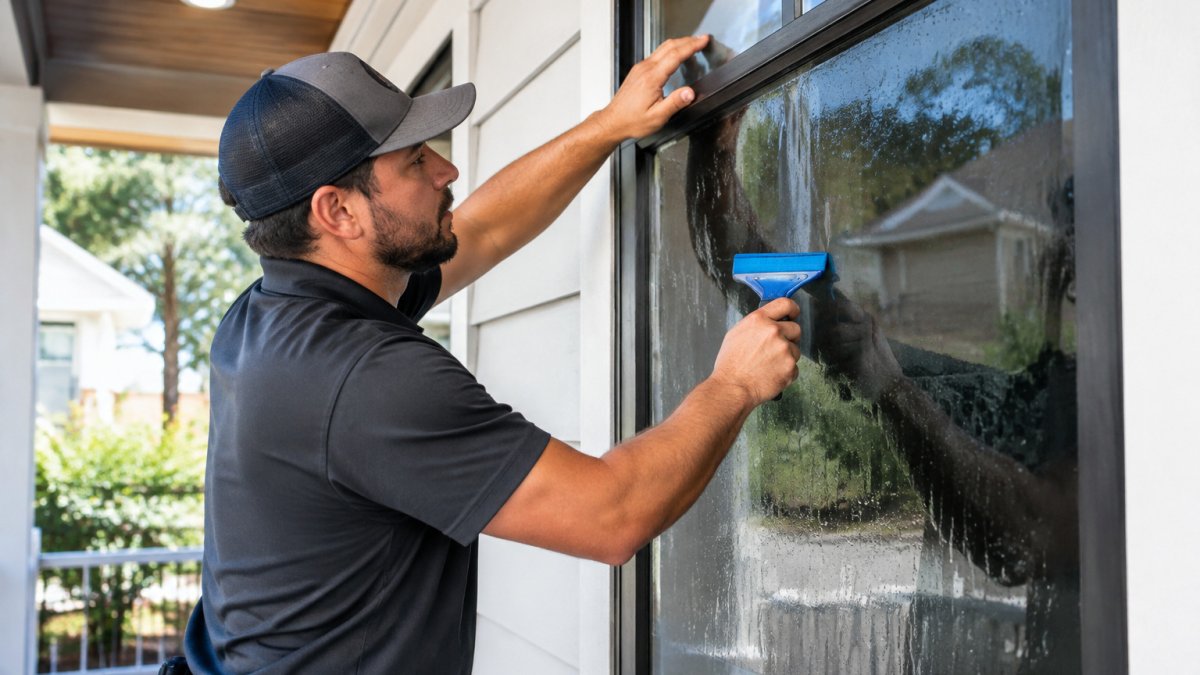
Home window tinting is the application of a thin film to interior glass that blocks part of the sun’s heat, ultraviolet light, and glare while still letting daylight through. It works on single-pane and double-pane windows, and it does not require replacing the glass.
The seven benefits below are the ones homeowners actually notice. We will also cover the downsides, because film is not right for every window. If you want help judging a local installer, our guide on how to choose a window tinting company in Wilmington walks through the questions worth asking.
Benefit 1: Window Film for Heat Reduction and Lower Cooling Bills
The biggest change most homeowners notice is temperature. Solar control film rejects a large share of the sun’s heat before it passes through the glass, so rooms on the sunny side of the house stop spiking in the afternoon.
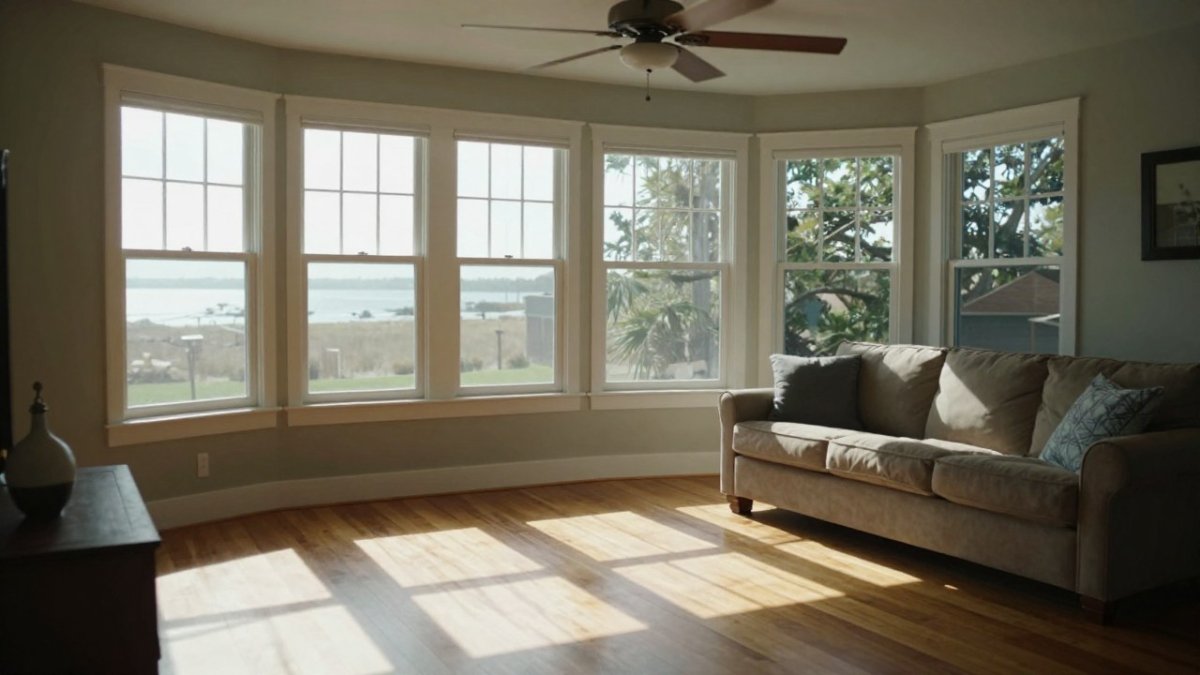
Your air conditioner runs less because it is fighting less heat gain, and that shows up on summer energy bills. The U.S. Department of Energy explains how window treatments affect heat gain room by room if you want the underlying mechanics.
How heat rejection is actually measured
Two numbers on a film’s spec sheet tell you most of what matters for a Wilmington home:
- Solar heat gain coefficient (SHGC), the fraction of solar energy that passes through the glass as heat. Lower is better for cooling. A single-pane clear window is often around 0.7 or higher; a good solar film can bring the whole assembly down substantially, but the exact figure depends on the film and the glass it is applied to.
- Visible light transmission (VLT), the share of daylight the film lets through. A darker film rejects more heat but also dims the room, which is why the right choice is a balance, not the darkest product on the shelf.
The SHGC number, not the marketing name, is the more reliable guide to how cool a room will feel in the afternoon.
Why Wilmington’s climate changes the math
Wilmington’s long cooling season and coastal humidity mean heat gain is a bigger share of the electric bill than in inland markets. Salt air and humidity also stress film adhesives, so a film rated for coastal exposure and installed by a crew that preps glass properly will hold its performance far longer than a bargain product.
What to realistically expect
Film reduces heat; it does not eliminate it. Expect a cooler room and a lighter cooling load, not a room that stays cold with the AC off. Savings vary by film, glass type, window orientation, shade, and how you run the HVAC, so ask for a room-by-room estimate. If you want to understand the specific ways film cuts heat gain, read our breakdown of how window film reduces heat gain in your home.
Watch out: on double-pane and some low-E windows, a film that is too absorptive can raise glass temperature enough to cause thermal stress and seal failure, confirm compatibility with the glass manufacturer or a film rated for that assembly before installation.
Benefit 2: Window Tinting for UV Protection of Skin, Furniture and Floors
Ultraviolet rays are the quiet damage. They pass through standard glass, and over years they fade upholstery, dry out wood, and add to skin exposure for anyone who sits near a window for long stretches.
Window tinting for UV protection works because quality films are built to block the ultraviolet band almost entirely while remaining clear. That matters in a coastal home where the sun hits the same corner of the living room every afternoon for a decade.
What most guides miss is that clear film does the UV work, not dark film. If you have heard that clear film cannot stop fading, our article on whether clear UV window film prevents interior fading explains what it can and cannot do.
Benefit 3: Glare Reduction That Keeps Rooms Usable
Glare is why people close the blinds at noon and then sit in a dim room. Film cuts the intensity of direct light so screens stay readable and the room stays bright.
- Home offices stop losing the monitor to afternoon sun
- TVs in west-facing family rooms become watchable again
- Kitchens stay usable without squinting over the sink
This is where film options matter. Visible light transmission, the share of light the film lets through, determines how dark a room feels. A lighter film keeps more natural light and takes the hard edge off glare.
Benefit 4: Daytime Privacy Without Closing the Blinds
Privacy film changes how the glass reads from outside during daylight. A reflective or lightly tinted film makes it hard to see in while you can still see out.
In practice, this means you can leave the blinds open in a street-facing living room or a bathroom without giving the whole neighborhood a view. Daytime privacy is the reliable benefit; at night, with interior lights on, the effect reverses and curtains still matter. We tell homeowners this upfront so expectations are clear.
Benefit 5: Glass Protection and Security Film for Coastal Homes
Storm season is real here, and glass is the weak point. Security film holds shattered glass together in the frame instead of letting it fall in sheets, which matters for both break-in resistance and wind-blown debris.
Not all security film is the same
A common mistake is assuming every “security” product performs alike. The differences that matter:
- Thickness, safety and security films are typically much thicker than standard solar film, and thicker film absorbs more impact energy before tearing.
- Anchoring, the strongest systems use a structural or wet-glaze attachment that bonds the film to the window frame, not just to the glass. A film that clings only to the pane can hold shards together but still let the whole assembly leave the opening.
- Glass compatibility, security film on double-pane or tempered glass must be rated for that assembly. The wrong combination can cause seal failure or thermal stress, especially on sun-exposed coastal glass.
Why coastal Wilmington homes need a different conversation
Homes near the water can face wind-driven debris and salt air, which can wear on adhesives over time. A film specified for coastal exposure and installed with proper edge sealing will outlast a generic product. If your priority is storm protection, ask the installer to walk the glass and identify which windows are the realistic weak points, large sliders, picture windows, and ground-floor glass usually top the list.
Warranties, expectations, and limits
Security film is a mitigation layer, not a substitute for impact-rated glass or storm shutters. It reduces the chance of glass becoming flying debris and slows forced entry, but it does not make a window burglar-proof or storm-proof. Before you buy, check the manufacturer’s warranty terms for your specific glass type and confirm who honors labor if the film fails. Removal and replacement costs should also be part of the conversation, since film does not last forever.
If storm or break-in protection is your main concern, look at our residential safety and security film service to see the options and get a quote.
Benefit 6: Interior Fading Prevention for Wood, Art and Upholstery
Fading is cumulative. No single sunny day ruins a floor, but years of unfiltered ultraviolet rays bleach hardwood, dull artwork, and turn a dark sofa gray along the window side.
Film slows that process by blocking the ultraviolet band, which is a major driver of fading. Homeowners with wood floors, art, or upholstered furniture near glass usually see this as the benefit that protects the most valuable things in the room.
Benefit 7: Comfort That Holds Through Summer and Winter
Comfort is the benefit homeowners mention last and appreciate most. In summer, film reduces heat gain so the sunny rooms feel even. In winter, it helps with heat retention by reducing radiant heat loss through the glass.
That two-way effect is what makes film worth considering as a year-round improvement rather than a summer fix. It also evens out the hot-and-cold swings between the front and back of the house. If you are weighing the overall payoff, our article on whether residential window film is worth the investment looks at the trade-offs honestly. For current pricing on a Wilmington home, visit our website or request a quote from our team.
| Benefit | What It Solves | Best For |
|---|---|---|
| Heat reduction | Hot rooms, high cooling bills | West- and south-facing windows |
| UV protection | Skin exposure, fading | Living rooms, sunrooms |
| Glare reduction | Screen and TV glare | Home offices, family rooms |
| Daytime privacy | Street-facing visibility | Bathrooms, front rooms |
| Glass protection | Storm and break-in risk | Coastal and ground-floor windows |
| Fading prevention | Wood, art, upholstery damage | Rooms with valuables near glass |
| Year-round comfort | Temperature swings | Whole-home installations |
What Are the Downsides of Window Tinting?
The honest answer is that film is not a fit for every window. The main window tinting downsides are interior darkness on some glass orientations, a slight change in appearance, and the risk of bubbling or peeling when film is installed poorly. Quality film installed correctly, backed by a lifetime warranty on materials and workmanship, helps avoid those problems. Double-pane windows also need a film rated for them, or the glass can be stressed.
Frequently Asked Questions
Is it worth it to tint your house windows?
For most Wilmington homes, yes, if west- and south-facing glass is driving up cooling costs or causing glare. Window tinting reduces solar heat gain, blocks UV rays that fade furnishings, and adds daytime privacy. The value depends on how much glass you have and which rooms overheat. Ask for a film sample and a quote before committing, and compare the projected savings against the home window tinting cost for your specific window count.
What are the downsides of home window tinting?
The main window tinting downsides are reduced visible light transmission in darker films, a slight change in glass appearance, and the risk of bubbling or peeling when film is installed poorly. Some films can also stress certain double-pane windows if the wrong product is specified. Choosing a film rated for your glass type and using professional installation avoids most of these problems.
How expensive is it to tint your home windows?
Home window tinting cost depends on window count, glass size, film type and whether you choose solar control, privacy or security film. Pricing is quoted per project rather than from a fixed list, so request a free quote with your window measurements. Visit our website or contact us to request a quote.
Can window tinting reduce heat and glare in a Wilmington home?
Yes. Solar control film rejects a share of the sun’s heat before it enters the room and cuts glare on screens and televisions. The effect is strongest on west- and south-facing windows that take direct afternoon sun. Performance varies by film and glass type, so ask for the film’s heat rejection and visible light transmission ratings before you choose.
Wilmington sun is hard on glass, and the right film makes the difference between rooms you avoid and rooms you use. Coastal Glass Tinting has installed residential film across Southeastern North Carolina since 1980, using handpicked products backed by a lifetime warranty on materials and workmanship. We handle solar heat rejection, ultraviolet protection, daytime privacy, and security film for coastal homes. Get started with Coastal Glass Tinting and get a free quote for your home today.
